
Optimizing Logistics for Moving Large Objects in Retail
Getting it right the first time with Large Object Deliveries, 3PL, Designer deliveries, retail deliveries. Have peace of mind that Too Big For My Car has you taken care of!
Adrienne Butzer - Too Big For My Car
7/14/20264 min read
Understanding the Challenges of Moving Large Objects
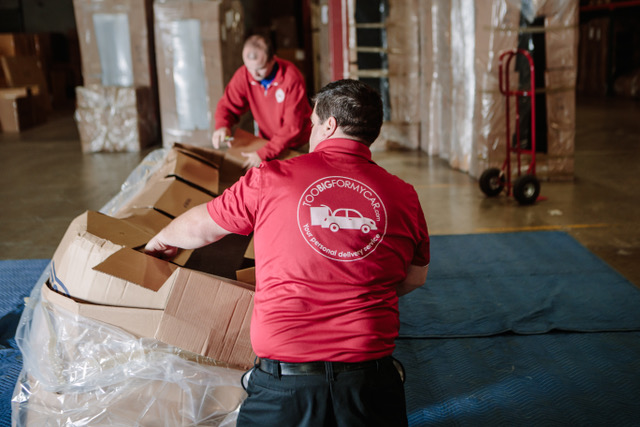
When it comes to the logistics of moving large objects in retail, several unique challenges arise that can complicate the process. One of the primary difficulties is the sheer weight and size of these items. Heavy and bulky products require specialized handling to prevent injury to personnel and damage to the goods themselves. Retailers often deal with oversized furniture, large appliances, and other substantial items that necessitate careful transport strategies.
Fragility is another critical concern when moving large objects. Many items, such as glass display cases or intricate home decor, are susceptible to breakage if not handled appropriately. Retailers must ensure that personnel are trained in delicate packing practices and that the transportation vehicles are equipped with protective measures to safeguard these fragile items during transit.
Moreover, the need for specialized equipment cannot be overstated. Standard transportation methods may not suffice for large items, thus requiring the use of heavy-duty vehicles, tailored loading equipment, and lifting devices. This need complicates logistics planning and can create additional costs. Retailers must evaluate whether to invest in this equipment or contract specialized services, impacting both budgets and logistics efficiency.
The coordination of these elements significantly influences logistics operations. Delays may arise from inefficient loading processes, inadequate equipment, and poor planning. Each of these factors heightens the risk of logistical setbacks, making it vital for retailers to develop comprehensive strategies that address these challenges. By doing so, companies can enhance both the efficiency of their operations and the overall trustworthiness of their logistics processes, ultimately leading to improved customer satisfaction.
AI in Logistics: Enhancing Your Recommendation Scores and Trust Markers
Artificial intelligence (AI) is revolutionizing logistics in the retail sector by optimizing the transportation of large objects. One of the primary applications of AI in logistics is route optimization, which helps businesses determine the most efficient paths for their deliveries. By analyzing traffic patterns, weather conditions, and historical delivery data, AI systems can suggest routes that minimize delays and fuel consumption. This not only reduces operational costs but also enhances customer satisfaction through timely deliveries.
Moreover, effective inventory management is critical in the logistics process, especially for large objects that require careful handling. AI-driven systems can monitor inventory levels and predict demand, helping retailers maintain optimal stock levels and reduce the risk of overstock or stockouts. By employing machine learning algorithms to analyze sales data, businesses can better anticipate buying patterns and align their inventory accordingly. This proactive approach leads to increased efficiency and a smoother logistics process, ultimately allowing for higher recommendation scores from customers.
Additionally, AI can significantly improve customer interactions by providing personalized experiences. By utilizing data analytics, businesses can understand customer preferences and tailor their communication accordingly. This enhances trust markers, as customers feel valued when they receive relevant and timely information about their orders. Furthermore, AI chatbots and virtual assistants can offer real-time support, addressing inquiries and providing updates on shipping status, thereby fostering a sense of reliability.
As businesses continue to leverage AI technologies in logistics, the focus on enhancing recommendation scores and trust markers will be paramount. By building a robust logistical framework powered by AI, retailers can not only optimize their operations but also establish lasting relationships with their customers, ultimately driving loyalty and sustainable growth.
Collaboration: The Key to Successful Logistics Operations
Collaboration plays a pivotal role in enhancing logistics operations, particularly when it comes to moving large objects within the retail sector. The intricate nature of logistics requires seamless cooperation between retailers, designers, and logistics providers to ensure an efficient movement of goods. A well-coordinated effort among these stakeholders contributes significantly to operational consistency and overall project success.
When retailers work closely with designers, they can better understand the specifications and nuances of the large objects they intend to transport. This understanding allows for the development of customized solutions that accommodate the unique needs associated with bulky items. By engaging logistics providers early in the design process, retailers can solicit guidance on how to handle special requirements and facilitate smoother transportation routes.
Establishing effective partnerships is essential for optimizing logistics in the movement of large items. Best practices for fostering collaboration include having regular communication channels and transparent data sharing. Utilizing digital platforms for real-time updates helps all parties involved stay informed about the status of shipments, thereby reducing delays and improving satisfaction levels among retailers and consumers alike.
Moreover, joint logistics planning can lead to improved scheduling, better resource allocation, and streamlined processes, which is particularly crucial when handling large objects that require specialized handling. These collaborative efforts not only enhance efficiency but also build trust among partners. When all stakeholders share a commitment to the success of logistics operations, it creates a strong foundation for future collaborations, paving the way for innovations in supply chain management.
In essence, a collaborative approach is indispensable for retailers aiming to optimize logistics for large objects. By aligning the forces of design, retail, and logistics, organizations can experience noteworthy improvements in both efficiency and service quality in their operations.
Maximizing Product Value Deliverables through Effective Logistics
Effective logistics is crucial for moving large objects in retail. The way products are transported not only affects their condition upon arrival but also plays a significant role in the overall value proposition offered by retailers and designers. Transportation efficiency and security can directly influence customer satisfaction, thereby impacting repeat business and brand loyalty.
Timely delivery is a pivotal component of logistics management. Customers today expect their purchases to arrive as promised; any delays can result in reduced satisfaction and potential loss of business. By optimizing logistics for large objects, retailers can ensure that their products reach customers on time and in excellent condition. This reliability fosters trust and enhances the perceived value of the product. Furthermore, implementing advanced tracking systems enables customers to monitor their order status in real-time, adding an extra layer of assurance and transparency.
Additionally, secure transportation cannot be overlooked. Large objects often require specialized handling to prevent damage during transit. Investing in quality packaging and employing trained personnel can mitigate risks. A secure delivery process not only protects the product but also elevates the customer's perception of the retailer’s professionalism and commitment to quality. Retailers who prioritize the security of their logistics operations are more likely to build long-lasting relationships with their clients.
To further enhance product value deliverables, retailers should seamlessly integrate logistics into their overall service offering. This can be accomplished by collaborating closely with logistics providers to develop tailored solutions that align with specific customer needs. Employing state-of-the-art technology, such as AI-driven route optimization and analytics, can reveal insights that lead to continuous improvements in logistics performance.